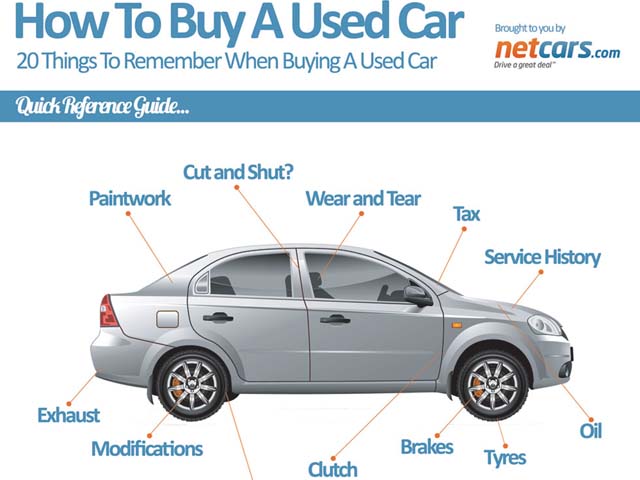
When you're seeking to purchase a classic car, understanding how to inspect it is vital. You'll wish to begin by checking out the body and frame for indicators of corrosion or misalignment, which might hint at past accidents. Next, the engine deserves your attention for any kind of leaks or odd audios. Yet that's just the start-- there's even more to think about that can influence your purchase choice substantially. Allow's discover what you need to really focus on.
What to Look For in the Body and Framework
When you examine a classic car, pay attention to the body and frame, as these elements are crucial to the car's total condition.
Try to find rust places, dents, and scrapes, which can suggest much deeper issues. A straight body line suggests a properly maintained automobile, while misaligned panels might signify previous crashes.
Check the frame for any indications of damages or rust; a compromised framework can be costly to repair.
Don't forget to analyze the undercarriage for rust or architectural weaknesses. When possible, utilize a magnet to recognize locations that may have been fixed with body filler.
Lastly, evaluate the paint for consistency; variations can point to poor repairs or repainting, affecting the vehicle's worth.
Just how to Evaluate the Engine and Mechanical Components
After checking the body and structure, turn your focus to the engine and mechanical elements.
Beginning by examining the engine for leaks, corrosion, or unusual sounds when it runs. Search for signs of oil leakages around seals and gaskets. Examine the belts and pipes for wear; they must be adaptable and free of splits.
Take visit their website at the coolant and oil levels, guaranteeing they're tidy and at correct levels. Do not fail to remember to analyze the battery; check for deterioration and guarantee it holds a charge.
Test the brakes and suspension by taking the automobile for a brief drive, paying attention for any kind of unusual audios.
Lastly, examine the exhaust system for rust or damage, as this can be pricey to fix.
Assessing the Interior and Exterior Condition
Beginning by taking a look at the exterior and interior problem of the classic car, as this can reveal a lot about its maintenance background.
Search for corrosion, dents, or paint variances on the exterior; these concerns can show bad upkeep. Inspect the seals around doors and windows for any signs of wear, which could result in water damage.
Inside, check the furniture for tears, stains, or fading. Examine simply click the next site and functions-- like the lights, radio, and air conditioning-- to guarantee they operate properly.
Don't fail to remember to analyze the dashboard for splits or indications of age. Taking these actions will certainly provide you a more clear photo of how the automobile was dealt with over the years, aiding you make a more educated decision.
Conclusion
To conclude, taking the time to completely examine a classic car before purchasing can save you from unforeseen fixings and frustrations down the road. Concentrate on the body and structure, check the engine and mechanical parts, and assess the interior and exterior condition. A mindful assessment guarantees you're making a smart investment in a vintage car that'll not only transform heads yet also supply a satisfying experience for many years ahead. Delighted collectible cars for sale searching!